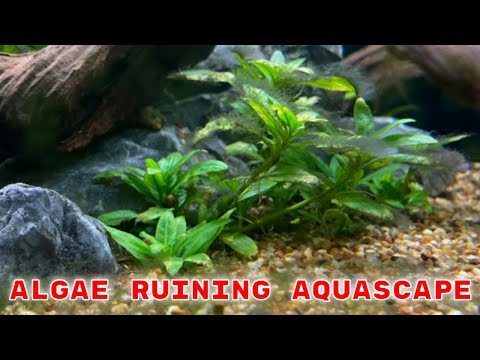
Why Did My Tank Get Algae After Redesigning?
Redesigning your aquascape disrupts the established balance in your tank. When you move decorations, substrate, and plants around, you disturb beneficial bacteria colonies and alter water flow patterns. This creates ideal conditions for algae to bloom: excess nutrients become available, light distribution changes, and CO2 circulation gets disrupted. The good news: this is temporary and fixable with targeted troubleshooting.
Step 1: Test Your Water Parameters Immediately
The first move is understanding what's happening chemically. Algae thrives when ammonia, nitrite, or nitrate levels spike. Grab an API Freshwater Master Test Kit and test your water right now. Write down all numbers: ammonia, nitrite, nitrate, pH, and phosphate if possible.
Most algae outbreaks follow a redesign because decaying plant matter and stirred substrate release excess nutrients. If your nitrate is above 40 ppm, that's feeding the algae. If ammonia or nitrite reads anything above zero, your beneficial bacteria are recovering from the disturbance.
Perform a 30-50 percent water change immediately. This dilutes excess nutrients and gives your tank breathing room. Repeat testing after 48 hours to track improvement.
Step 2: Optimize Your Lighting and Flow
Algae is a light hog. During your redesign, you may have accidentally created dead zones or repositioned plants where they block light flow. Check these things:
Is your LED Planted Tank Light positioned the same way? If you moved it, adjust back or reduce photoperiod from 8-10 hours daily temporarily. Algae grows fastest under 12+ hours of light.
Water flow matters too. Poor circulation creates pockets where algae settles and decaying matter accumulates. If your Canister Filter for Aquarium intake was repositioned, make sure it pulls water from the bottom near the substrate. Position the outlet to push water across the entire tank surface. This keeps everything moving and prevents stagnant spots.
Also check if your hardscape is blocking your filter's output. Rearranging rocks and wood can accidentally create current dead zones.
Step 3: Aggressive Manual Removal and Tank Maintenance
While water chemistry balances, remove algae by hand. Scrape glass walls with an algae scraper. Gently brush algae off plants and hardscape using an old toothbrush. Siphon dead plant matter and debris from the substrate during water changes. Every piece of decaying biomass is algae food.
Reduce feeding temporarily. Excess fish food rots and releases ammonia, fueling algae growth. Feed only what your fish consume in 2-3 minutes, once daily.
For planted tanks, trim dead or dying plant leaves immediately after your redesign. Stressed plants release compounds that algae loves. Healthy, thriving plants outcompete algae for nutrients and light.
Ensure your Aquarium Heater (100W) is maintaining stable temperature. Temperature swings between 74-82°F stress plants and throw off bacterial balance. Stability beats perfection here.
Prevention for Future Redesigns
Once this outbreak clears, remember this: minimize disturbance next time. Plan your aquascape changes on paper first. Move plants strategically and keep substrate disturbance to a small section if possible. Never completely overhaul your hardscape in one day.
If you're uncertain about future maintenance or want professional guidance, check Local Services on It's Buzzing to find experienced aquarium maintenance professionals in your area.
Algae after redesign is frustrating but temporary. Stay consistent with water testing, manual removal, and maintenance. Your tank will rebalance in 2-4 weeks.