What Does Snake Pairing Involve?
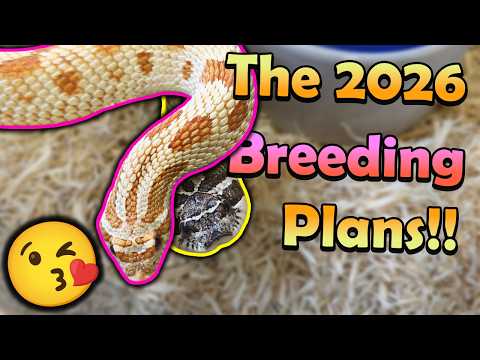
Snake pairing is the process of introducing two compatible snakes together for breeding purposes. Before pairing hognoses, bullsnakes, kingsnakes, or other colubrids, you need to ensure both snakes are healthy, at proper weight, and sexually mature. Males should be introduced to females during the breeding season. Proper conditioning and timing are essential for successful reproduction. The process requires careful observation and knowledge of species-specific behaviors.
Pre-Pairing Health and Conditioning
Before you attempt any pairing, both snakes must be in excellent health. Feed your snakes regularly and maintain proper temperatures for at least two months before the breeding season. Underweight or malnourished snakes rarely breed successfully. Watch for signs of parasites or respiratory infections, as sick snakes should never be paired.
Temperature cycling is critical for triggering breeding behaviors. Many colubrid species require a winter cooling period of 8 to 12 weeks with reduced feeding. Lower temperatures to 60 to 70 degrees Fahrenheit during this phase. After cooling, gradually raise temperatures back to normal. This mimics natural seasonal changes and prompts snakes into breeding mode.
Check your snakes' body condition regularly. They should feel firm but not bony. A female hognose or kingsnake needs adequate fat reserves to produce and carry eggs. Males can be slightly leaner but still muscular and active.
Introduction and Observation During Pairing
When pairing snakes, introduce the male to the female's enclosure rather than the reverse. The female is typically larger and may be territorial. Watch for immediate aggression or feeding responses. Some snakes strike or bite during pairing attempts, so be prepared to separate them quickly if needed.
During successful pairings, the male will court the female by tongue-flicking, rubbing his body along hers, and eventually aligning his tail with hers. Copulation may last from a few minutes to several hours. Multiple pairings increase the chances of fertilization. Leave them together for 24 to 48 hours, then separate them.
Monitor feeding closely after pairing. Some females refuse food while gravid, while others continue eating normally. Offer appropriately sized prey. Kingsnakes and bullsnakes are ophiophagous (snake-eaters), so never house them together permanently. Hognoses are less aggressive but still require careful individual housing.
Post-Pairing Care and Breeding Success
After successful pairing, females need proper nutrition and humidity. Gravid females should have access to humid hides to prevent dystocia (egg-binding). Maintain humidity around 60 to 70 percent. Provide larger food items if the female continues feeding. Some breeders feed pre-killed or frozen-thawed prey to reduce stress and injury risk during advanced pregnancy.
Gestation periods vary by species. Hognoses typically carry eggs for 20 to 30 days. Bullsnakes and kingsnakes may take 30 to 45 days. Before egg-laying, provide an appropriate nesting box filled with moist sphagnum moss or aspen. The female will seek this out when ready to deposit her clutch.
Keep detailed records of pairing dates, copulation duration, and egg-laying dates. This information helps you predict hatching and plan for incubation. Store eggs in an incubator at 78 to 82 degrees Fahrenheit for most colubrid species.
If you're expanding your reptile collection, consider connecting with local breeders and reptile communities. Local Services on It's Buzzing can help you find experienced reptile veterinarians and breeders in your area for guidance and emergencies.
Conclusion
Successful snake pairing requires preparation, patience, and attention to detail. Condition your hognoses, bullsnakes, kingsnakes, and other colubrids properly, introduce them at the right time, and provide excellent post-pairing care. Research your specific species' requirements, maintain detailed records, and don't rush the process. With proper husbandry and technique, you can achieve reliable breeding results and contribute to the captive-bred reptile community.