The Emotional Side of Economics: Why Logic Loses to Feelings
Economics isn't about math and logic. It's about emotions. We make financial decisions based on fear, hope, and gut instinct, not spreadsheets. Behavioral economics proves that humans are predictably irrational. We chase losses, avoid gains, and let our moods dictate our wallets. Understanding this gap between economic theory and human behavior transforms how you manage money and make business decisions.
Classical Economics Got It Wrong
Traditional economic theory assumes people are rational actors. We weigh options carefully. We maximize our gains. We minimize our losses. We're logical machines.
This is false.
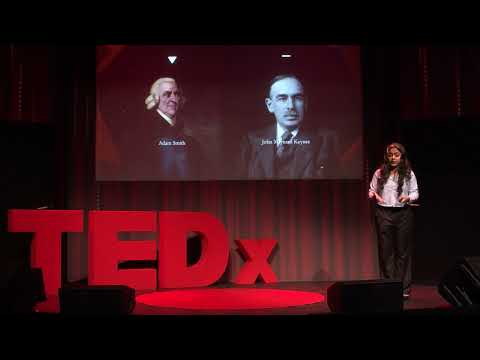
Aarya Sharma's TEDx talk reveals the truth: emotions drive the economy. When the stock market drops 10%, people panic sell at the worst moment. They lock in losses instead of holding. A rational actor would calculate probabilities. An emotional human sells in fear.
This emotional gap exists everywhere. Investors hold losing stocks hoping they'll bounce back while selling winners too early. Entrepreneurs stay in failing businesses because they're emotionally attached. Consumers overspend on items that trigger dopamine hits, then regret the purchases.
The classical model ignores these patterns. Behavioral economics explains them.
How Emotions Override Financial Logic
Three emotional forces shape financial decisions:
Loss aversion. Losing $100 hurts twice as much as gaining $100 feels good. This asymmetry makes us risk-averse with gains but reckless with losses. It's why people gamble to recover losses. It's why they hold underwater positions hoping for a rebound.
Anchoring bias. We fixate on the first number we see. If a stock traded at $50 last year, you anchor to that price. You think it's cheap at $30. You ignore the fundamental reason it dropped. Anchoring clouds your judgment about real value.
Social proof. When everyone buys Tesla or crypto, we buy too. When everyone sells, we panic sell. We follow the herd instead of thinking independently. Markets boom and crash on collective emotion, not rational valuation.
These forces are invisible but powerful. They shape how you spend, invest, and grow businesses. Recognizing them is the first step to fighting them.
Practical Tools to Manage Emotional Economics
Knowing emotions drive decisions isn't enough. You need systems to prevent bad choices.
Start with automation. Set up automatic transfers to savings or investments. Remove decision-making from the equation. You can't emotionally override what you've already automated. Use tools like QuickBooks Simple Start to automate expense tracking and financial visibility. When you see numbers clearly, emotions have less power.
Next, create a written plan. Document your financial goals and the logic behind them. When emotions hit, reread your plan. It anchors you to reason instead of fear. If you're an entrepreneur, a business planner and goal tracker keeps strategy visible and emotions in check.
Study business psychology books that teach pricing and persuasion. $100M Offers by Alex Hormozi breaks down how emotions drive value perception and purchasing decisions. Understanding how others' emotions work makes you a better negotiator and marketer.
Take physical breaks. Standing and moving reduce stress-driven decision-making. A standing desk converter lets you change positions throughout the day, clearing mental fog and emotional reactivity.
Building Economic Awareness Into Your Life
Behavioral economics isn't academic theory. It's a daily reality you navigate. Every purchase. Every investment. Every business decision carries emotional weight.
The goal isn't to eliminate emotion. Emotions aren't bad. They provide valuable information. Fear signals risk. Hope signals opportunity. The goal is to make emotion conscious, not unconscious.
When you feel an urge to buy, spend, or invest, pause. Ask yourself: Is this logic or emotion? Am I anchoring to an arbitrary number? Am I following the crowd? What would a rational version of me decide?
This awareness compounds over time. Better financial decisions lead to better outcomes. Better outcomes build confidence. Confidence lets you make even better decisions next time.
Behavioral economics reveals an uncomfortable truth: you're not as rational as you think. But that same truth offers hope. Understanding how emotions work gives you leverage to change your behavior and your financial life.